
It’s funny to think that the only reason why I ended up doing working in digital in higher education is because of Twitter, but that’s what happened me as a student. Just years before, I was pursuing a career in zoology. As we all know, life is weird like that.
I’ve only worked at one university, but I’ve learned a lot from managing social from two different perspectives and I continue to learn more each day. Here are a few things that I’ve gotten out of handling social from the prospective student/student perspective and the alumni perspective.
Audiences are vastly different, but you can find overlap in certain areas
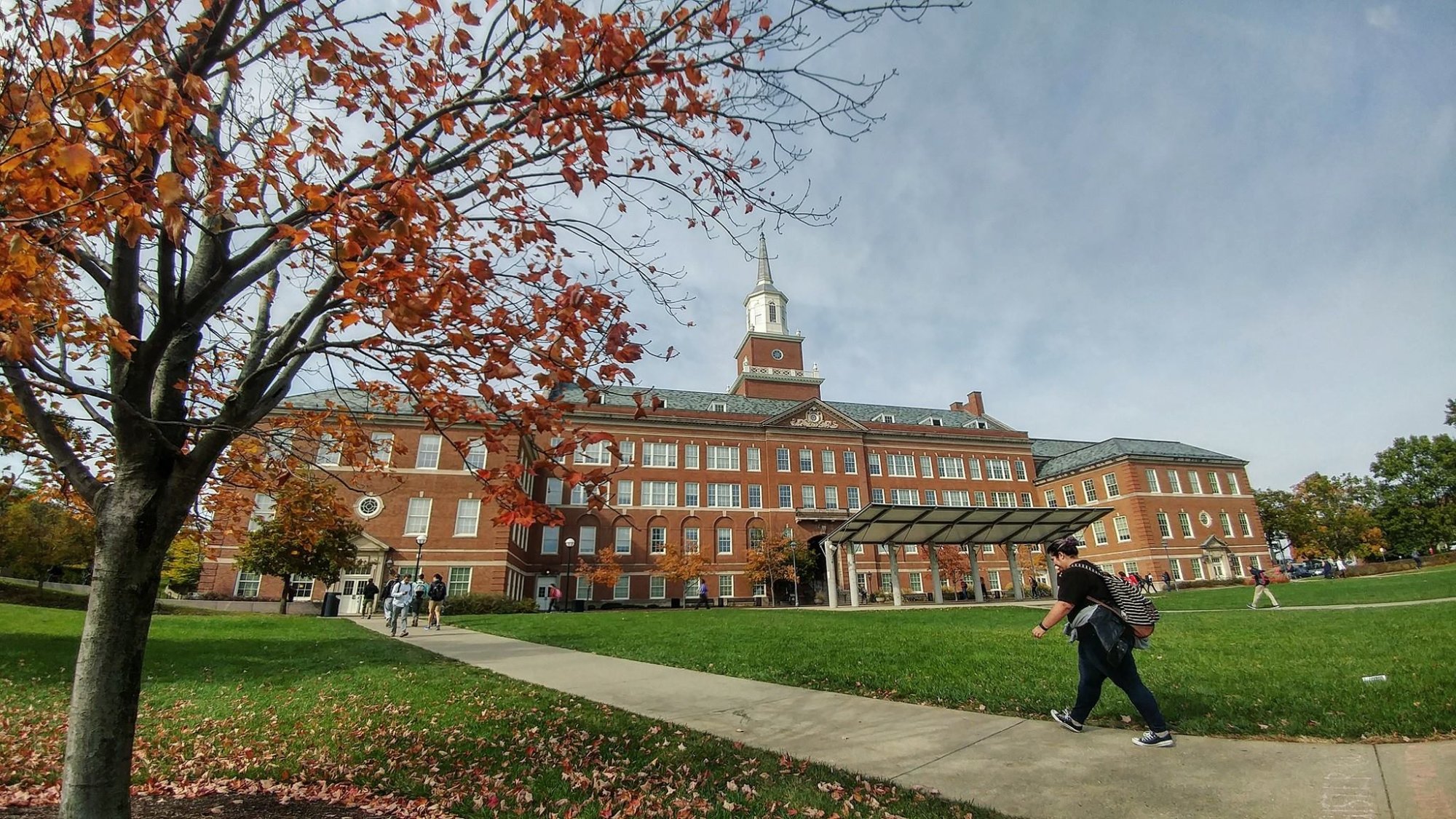
Students and alumni value different social media channels and other digital outlets. Students love Snapchat while alumni like Facebook, but you can find audiences dip into the same networks and gravitate to a specific one like Instagram. Content is the same way. Students love hearing about campus events while alumni may be drawn to throwback photos, like the photo the UC Alumni Association shared a few weeks ago. But if you put up a beautiful campus photo, that tends to appeal to everyone, including faculty, staff and prospective students. It’s about focusing on what channels appeal to your audience and creating content for it that works well and applies to your brand.
Student workers are an awesome asset
I started out handling social for the official university accounts as a student worker and they still have students help run it today. The reason? They understand the audience because THEY ARE the audience. They know what events students look out for, what’s trending, what prospective students want to see and more. You can get them to cover events, get beautiful campus photos or connect with student groups on campus to do account takeovers. You get an employee that’s tuned-in to your audience and they get solid professional experience out of it. It’s a win-win situation, similar to my next point.
Always try to partner with other areas of campus
There are plenty of opportunities to bring other campus entities together. UC does an awesome job of that with their Snapchat takeovers. Prospective and current students get to see multiple aspects of campus and get a better understanding of everything the university has to offer. The UC Alumni Association covered an open practice during the 2017 NCAA Tournament and audiences loved our inside look into the tournament that they can’t normally see. It gave athletics another outlet to broadcast their work and helped us engage our alumni. Again, it benefits everyone, but also the university as a whole, which is the main goal.
Prospective students aren’t the only ones that want to see campus life
Alumni miss their alma mater and still want to feel connected to the university. Many follow alumni accounts, but also the university, individual colleges within the university or their departments for that reason. They love it when they get to see campus life because it brings back warm memories and awe with things that have and haven’t changed, but also news because they want to brag about their university’s rankings and accomplishments and to see what faculty are up to. Who doesn’t?
CASE (Council for Advancement in Higher Education) Twitter chats are an awesome resource
I cannot emphasize how much I love CASE because I have gained a network through their Twitter chats. I try to participate in them whenever possible because I find new people to follow who work in social and learn a lot about the different areas of social at a college all over the country. Some work for the college of medicine, others at the campus library or they handle it for the university as a whole. I get so much insight from the conversations that I follow many of these members on Twitter, connect with them on LinkedIn and work with them whenever possible. I’ve also heard great things about their conferences and many of the colleagues I’ve met on Twitter have met up at conferences later, including the most recent one this past month.
I still don’t know everything, but these points have continued to resonate time after time and some of them could apply to other industries. If you work in digital in higher education, I would love to hear what you’ve learned in the comments below.
 AFJ Digital