
Updating a website is not cheap, and it’s only getting more expensive. According to 2022 HubSpot data, it costs at least $15,000-$30,000+ for an agency to redesign a website and on top of this, it can take months to launch. Companies inevitably run into issues after launch, so you need to account for those added costs as well.
This isn’t to say that website updates aren’t worth the cost. If anything, websites in desperate need of an update should make plans for it in the future, and I highly recommend finding trusted professionals to do it.
But if this is outside your budget and making improvements is necessary, try refreshing the content instead. It’s a good alternative to boost your traffic while you wait for a new website. Here are some suggestions that have worked for me.
Add Content
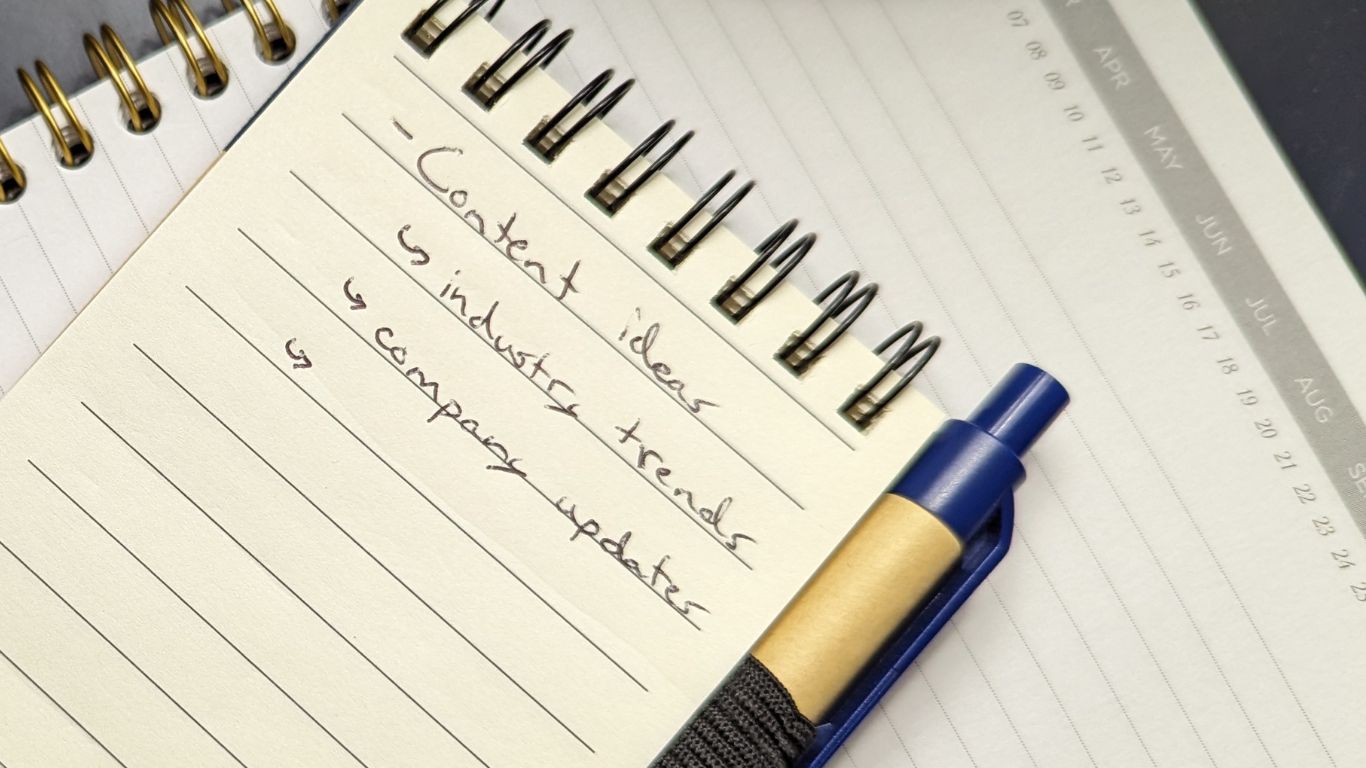
The obvious way to update a website with content is by adding more. For ideas, look at the problems your customers are facing and determine how your company addresses them. If you have very little content, start small with social media and blogs.
Eventually, you’ll want to move into bigger items like call-to-action (CTA) pages, case studies, videos, or even podcasts. Let customers and their preferences guide you.
Update Blogs
Have a blog that gets stellar traffic, but it’s old? Update it.
Look at your content and determine what’s performed well recently and historically based on page views, bounce rate, and average time on the page. You’ll want to add new copy and update statistics, data, images, and likely update links so that it continues to stand out.
Content that’s a year old can date itself quickly. The perfect example? Any content that was made in January 2020.
Revisit Copy
Copy can always be updated, especially on a website. I would argue that updating website copy should be your first step to updating your website content. The direction your words (and keywords) go in will direct the rest of the content on your website and fuel growth.
I know this from experience, especially when I updated this website. I wasn’t putting enough effort into marketing my business and needed a website that better showcased my skills and expertise. The copy on my website wasn’t exhibiting that, so I evaluated my goals and revamped everything.
I still make changes here and there, but overall, I’m happy I went back to change it all because it reflects my current business model.
Like AFJ Digital, all businesses change their goals and your website content and copy should reflect that.
Remove Old Content
Yes, content can be too old to save. Case studies, photos, client testimonials, and videos can age themselves quickly if your company isn’t careful. You may think it’s a good idea to keep some of this on your website because you have very little content in the first place and anything helps. Instead, this backfires and makes your company look like it’s dying. Yikes.
For questionably old content, my best advice is when in doubt, toss it out. Then, create a plan for creating website content to replace it.
Consider Adding Pop-ups
Website pop-ups can generate visceral reactions, largely because they have been poorly overused. Instead, they are better suited for being used selectively, like a CTA for a campaign’s landing page, to serve a helpful purpose.
And as crazy as it sounds, pop-ups have a better conversion rate than generic end-of-post CTAs.
Content Quality Matters
Content is how businesses get themselves noticed. Companies that thoughtfully conceptualize, create, and share content generate more leads and reach their business goals faster.
Some companies want content that’s fast and cheap to make, but creating something exceptional takes time. If you find yourself falling behind and want someone who is intentional about content marketing, I can help.
 AFJ Digital